
5 Must-Visit Places on Your Osaka Itinerary
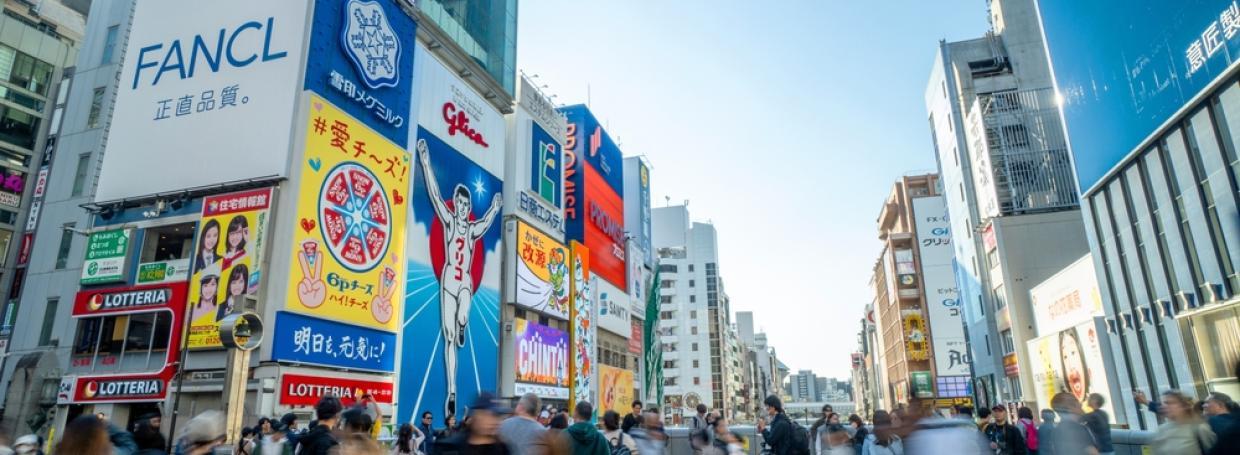
Most people head straight for Tokyo when visiting Japan, but there is a unique rhythm to Osaka that’s less bustling than Tokyo but more vibrant than Kyoto.
Japan’s third-largest city, Osaka is most affectionately known as “Japan’s Kitchen” for its culinary specialities and street food culture.
Of course, Osaka is about much more than just “kuidaore”, or eating till you drop. It’s also known for its lively nightlife, castles and gardens, distinctive local festivals, and shopping culture.
If Osaka hasn’t been on your travel bucket list yet, let’s change that. Here are 5 compelling reasons to make Osaka, Japan, your next travel destination. And don’t forget to get your travel insurance in advance before heading there!
What to Do in Osaka
1. Dotonbori
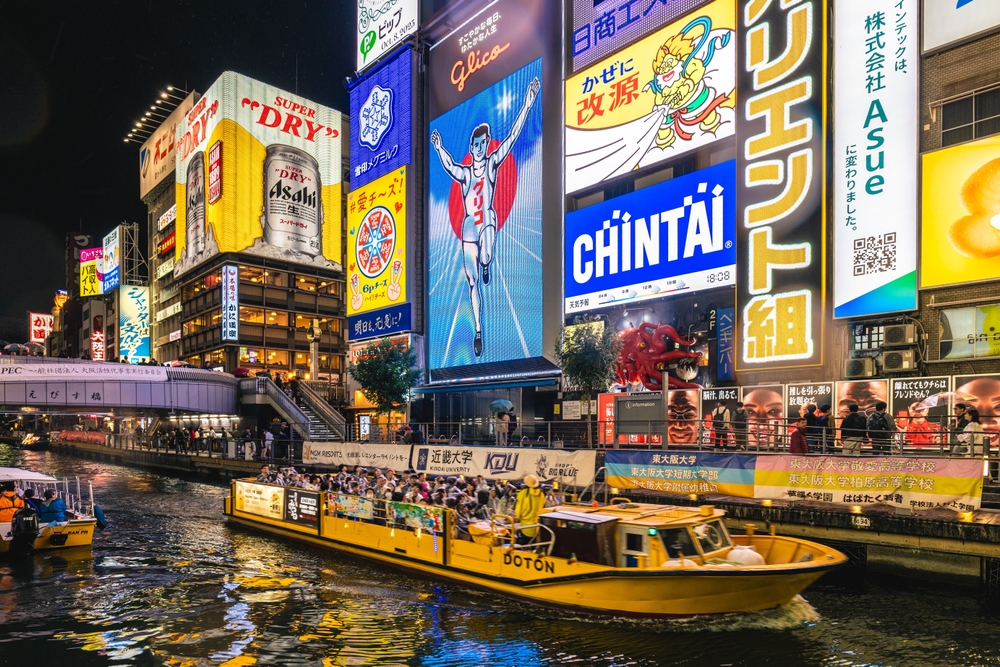
Dotonbori is the ultimate place to go to experience food in Osaka. While it’s probably the most touristy place to visit, it’s also somehow also the most local place you’ll find. The culinary offerings here are not mechanically curated — you’ll find a fancy Michelin-star restaurant right next to a small, family-run ramen stand.
Osaka street food is not catered specially to tourists; it’s a raw and intimate way of celebrating local culture and appreciating the mastery that goes into the intricate mixing and tossing of okonomiyaki (savoury pancakes), or the fine-tuned art of turning takoyaki (octopus balls) in their moulds.
Come with an empty stomach, so that you can truly explore what Osaka has to offer your palette. This is where you’ll realise that good food doesn’t have to be complicated.
When night falls, Dotonbori is an explosion of neon lights and giant illuminated billboards, most famously of the “Glico Running Man”. For a full-fledged welcome of Osaka nightlife, turn the corner onto Hozenji Yokocho alley, Dontobori’s epicentre of back-street eateries and iconic izakayas.
Walking through the crowded streets is one of the best ways to experience Dontobori, but you can also take in the atmosphere while on a river cruise. To keep the festivities going, some party boats even include beer and entertainment.
Certainly no visit to Japan is complete without a visit to Japan’s most famous discount store Don Quijote, but the one here even gives you a bird’s eye view of Dotonbori district from its Don Quijote Ferris Wheel.
Finally, go crazy catching your own vacation souvenirs at the largest GiGO arcade in Japan, with some 300 capsule and claw machines.
2. Kuromon Ichiba Market
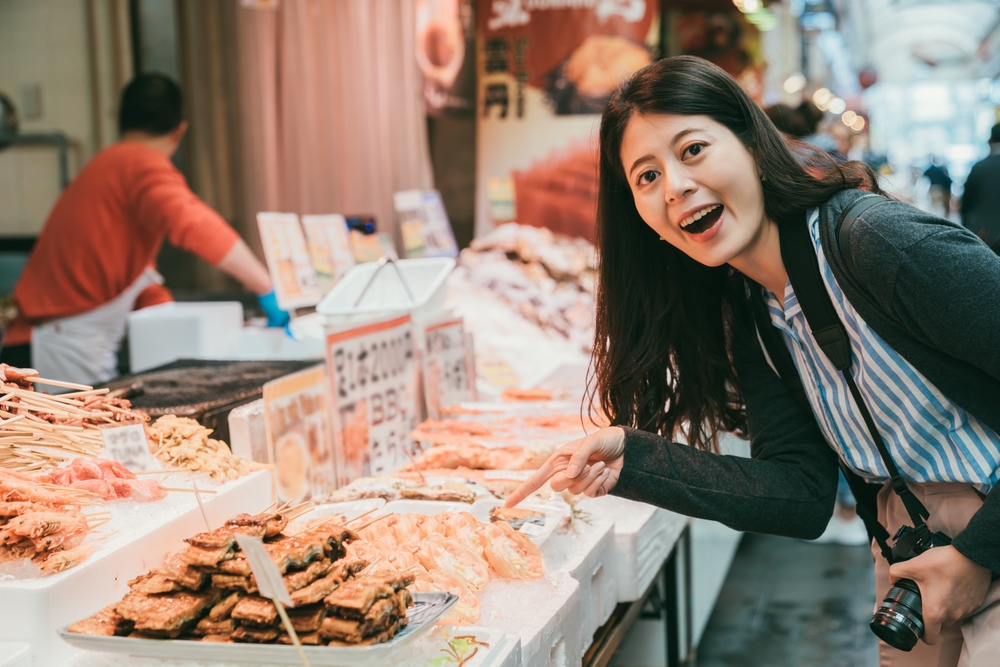
Kuromon Ichiba Market is said to date back to the Edo Period, but today it is a modern covered market with some 150 shops selling everything from fish and meat, to traditional sweets and home wares.
Kuromon Ichiba is the perfect place to go to enjoy “tabe aruki”, the Osakan culture of eating while strolling. Enjoy seafood skewers from the fish shop, takoyaki from the street food specialists, or matcha soft ice-cream from the tea shop.
More than just buying or eating, what you’re buying into at Kuromon Ichiba is the atmosphere. It is witnessing the sights, sounds, smells and tastes of the daily theatre of food vendors preparing their masterpieces — from the slicing and dicing of fresh fish, to the sizzling of skewers dipped into hot oil.
Take home a piece of the market with you, with shops selling mochi, liquor, soup bases, kimonos, and anime souvenirs — and don’t forget to experience the authentic ¥100 Daiso!
3. Shinsaibashi & Tenjinbashisuji Shopping Streets
Rivalling Osaka’s foodie streets are, of course, its shopping streets — Shinsaibashi and Tenjinbashisuji offer two distinct yet complementary experiences at the heart of Osaka’s dynamic shopping culture.
Shinsaibashi Shopping Street is a 600-metre covered arcade in Dotonbori, with an exuberant mix of department stores like Daimaru (remember this?) and PARCO, flagship Uniqlo, Disney and Sanrio stores, and independent boutiques. Around the corner, Amerikamura or “American Village” is a lively district with a bohemian atmosphere and a ton of eclectic vintage and secondhand finds.
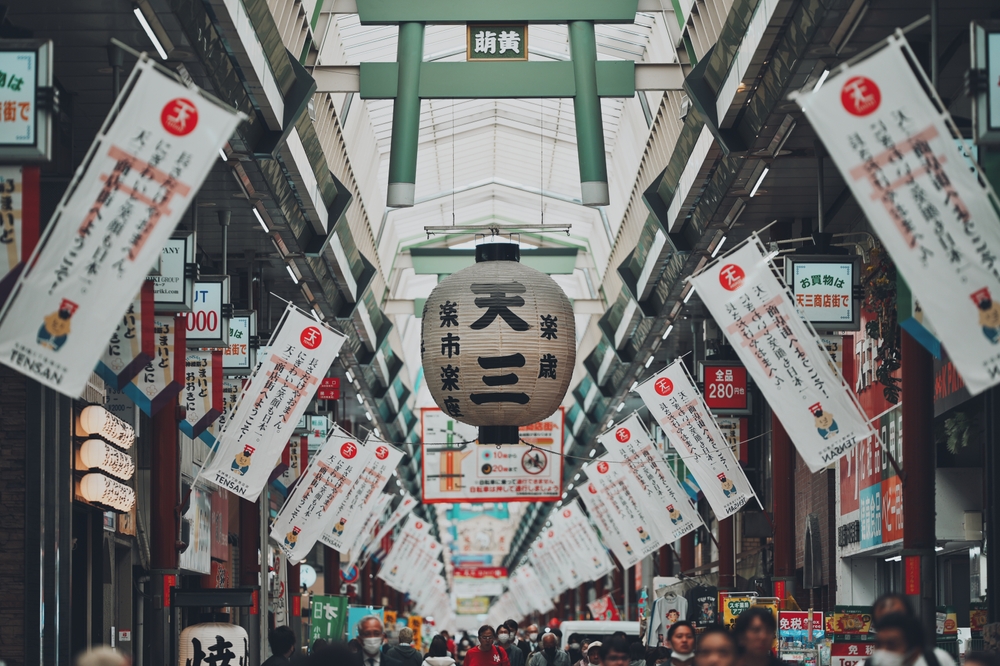
Meanwhile, Tenjinbashisuji Shopping Street is famous for being Japan’s longest covered shopping arcade, stretching a good 2.6 kilometres of 800 shops that present an authentic taste of life in Osaka. Unlike the upscale, glitzy vibes of Shinsaibashi, Tenjinbashisuji is down to earth, beloved for its neighbourhood charm and local specialities.
This is where you’ll be able to fully immerse yourself into everyday Japanese culture — with traditional tea shops, artisanal pottery studios, retro candy stores, independent grocers, and cosy izakayas.
4. Osaka Spas
Osaka may not be famous for spa culture the way mountainous hot spring towns are, but it actually boasts some of the most luxurious and stunning spas for travellers and locals alike looking for some relaxation amidst the busy city.
One of Japan’s largest hot spring complexes, the 8-storey Spa World is simply a landmark that’s not to be missed. It’s renowned for its extravagant internationally-themed baths harking back to ancient Rome and Greece, as well as Finnish saunas and Turkish hammams.
This is where one minute you could be bathing in a soft, blue-lit grotto a la Capri, and the next minute enjoying a salt sauna inspired by the Dead Sea in Israel. There’s even a Singapore spa with a mini Merlion, no kidding! Spa World is open 24/7, and also offers hotel stay.
For a more Japanese experience, head to Solaniwa Onsen at Osaka Bay Tower, known as “a hot spring resort in the sky”. This beautifully designed Edo-period spa offers a lush sky garden, 9 different types of hot springs, fish therapy foot bath, an arcade, carnival stalls, gourmet dining and a dessert bar. You can even arrange for a nighttime stroll in the gardens with traditional handheld lanterns.
Note: Most onsen in Japan still do not allow visitors with tattoos to enter their public bathhouses. Try to ask in advance what the onsen’s policy is, but also be prepared by buying waterproof patches to cover your tattoos (tattoo stickers can be purchased at Solaniwa). Alternatively, book private baths.
5. Universal Studios Japan
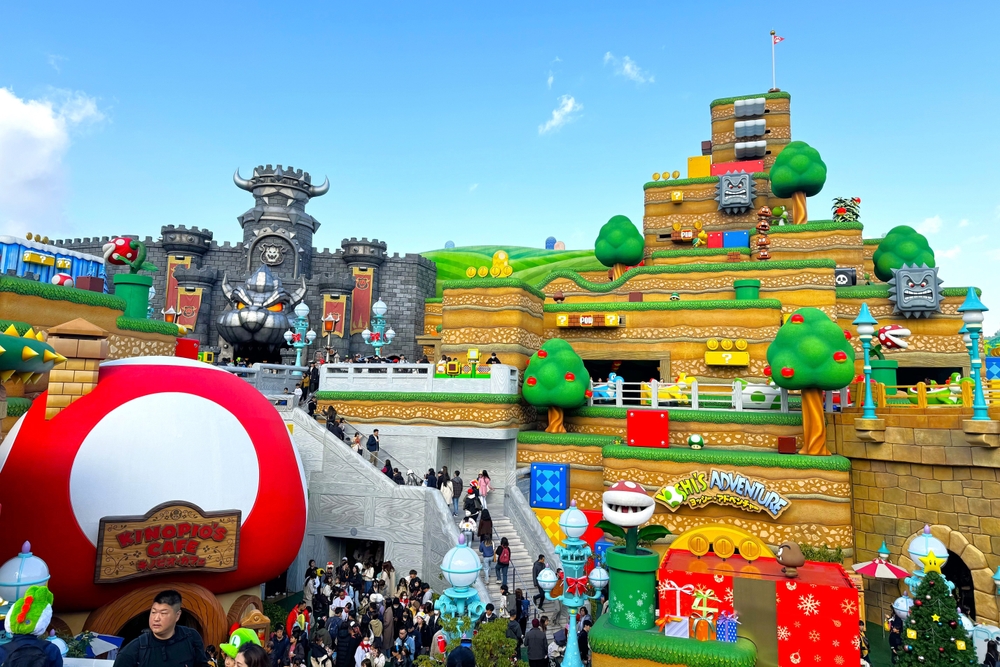
What puts Osaka on the map for many families and young people is undoubtedly Universal Studios Japan (USJ). But before you skip this over, thinking, “Oh but we already have a Universal Studios Singapore,” know that what makes USJ stand out is how Japanese culture has been distinctly infused into this otherwise American concept.
Mario fans will recognise USJ as the only park in Asia with the immersive Super Nintendo World, an apt reflection of Japan’s legacy as the birthplace of Nintendo. Meanwhile, Hello Kitty fans can skip the long McDonald’s queues (if you know you know) and head straight to an entire boutique dedicated to all things Hello Kitty, from plushes to apparel to snackables.
The Wizarding World of Harry Potter at USJ is also a mecca for all Singaporean Potterheads, with a full Hogsmeade village, Hogwarts Castle walk, wand-picking at Ollivanders, and, not to mention, the wizarding merch galore.
Many of the attractions and events in USJ also incorporate popular Japanese manga and anime characters such as Dragonball Z, Pokemon, Sailor Moon, Detective Conan, Monster Hunter, The Apothecary Diaries, and Spy x Family.
And of course, we can’t leave out how your usual theme park menu of burgers and hot dogs gets upgraded with Japanese specialities like miso udon, Chinese pork ribs, and curry rice.
Travel Tip: Getting Around Osaka
Osaka’s well-designed and efficient transport system means it’s easy to travel around on your own on public transport. All you need is the right pass.
For unlimited transport plus attractions: Get the 1-day (¥3,000) or 2-day (¥5,000) Osaka Amazing Pass. You’ll get unlimited use on Osaka’s rail, metro and bus networks, plus entry to 40 of Osaka’s top tourist attractions, including a number of cruises, castles and museums, gardens and observatories, Legoland Discovery Centre Osaka.
For unlimited transport alone: The 1-day (¥1,200) or 2-day (¥1,800) Osaka Metro & Osaka City Bus Pass should be enough to get you where you need to go.
For a ‘Tap as you go’ option: If you’re travelling less frequently per day, or over more days in Osaka, use IC cards instead — the Japanese version of our EZ-link — place a ¥500 deposit, then top up what you need. The Icoca card is what’s used in Osaka and the Kansai region, but you can also use Tokyo versions Suica or Pasmo in Osaka as well.
Note: Each of these cards are issued by different companies but work the exact same way across Japan. The only difference is that you can only refund them in the local region you purchased them in.


