
5 Beautiful Nature Parks in Asia
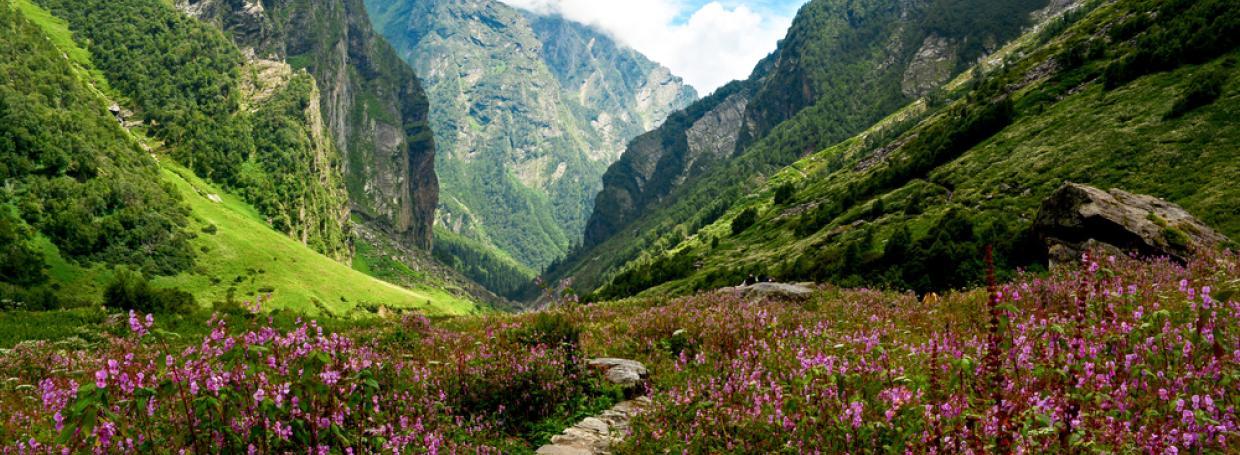
The secret to capturing stunning travel photos lies not in travelling far away — some of the most Instagram-worthy destinations can be found right here in Asia. From tree-lined pathways to oceanfront hot springs to meadows in the mountains, we’re featuring five breathtaking locations to consider for future travel destinations.
Not only will these gorgeous places offer you the perfect backdrop for the perfect shots, but these magical experiences will stay with you long after you’ve returned home.
Natural wonders are everywhere — we just have to look and experience them, not just through a lens, but also with our body, mind, and soul. These travel destinations remind us that every stunning photo opportunity is also a chance to connect deeply with the natural world around us.
Travel Tip!
Get annual travel insurance so you can plan to visit all these travel destinations whenever you want, instead of just one!
Nara Park, Japan
Website: Nara Park Area Guide
Getting There
Nara Park is located just east of Nara city in Japan. Fly from Singapore to Kyoto or Osaka, and take a one-hour train to Nara Station.
What Nara Park is Best Known For
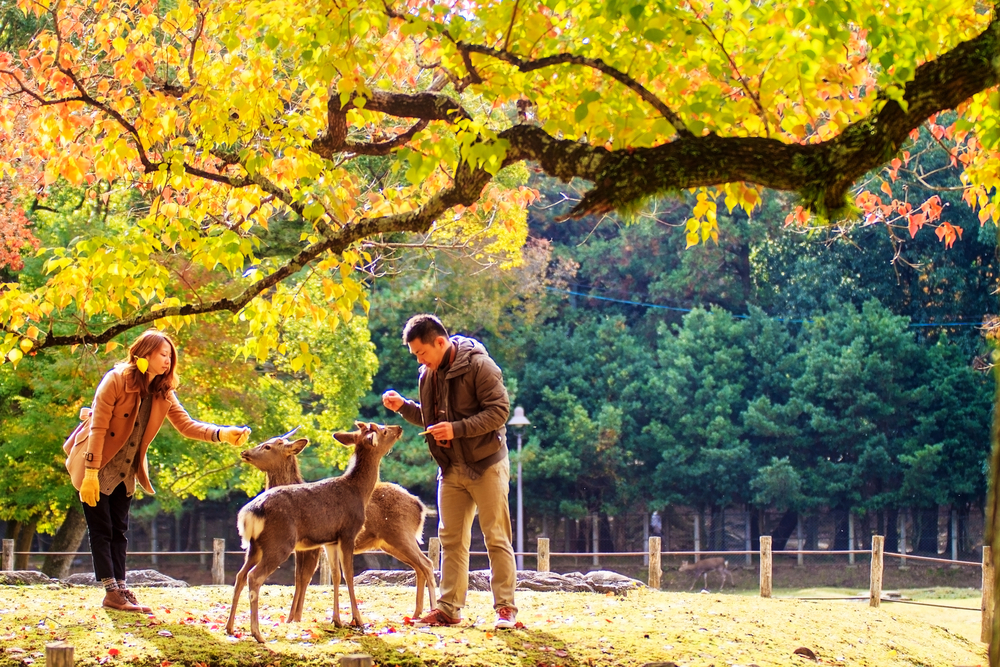
Nara Park is undoubtedly most famous for its population of over 1,000 docile sika deer that roam freely in the park, creating a magical setting for visitors who flock here to interact with these gentle creatures.
Photo Opportunities
You’re allowed to purchase treats to feed the deer with, giving you a chance to capture intimate moments of this heartwarming interaction. The park’s landscape aesthetics are also enhanced by cherry blossom trees, maple trees, and Japanese cedar, providing seasonal colour variations, perfect backdrops for your travel photography.
What to Do in Nara Park
You can certainly stroll around the park, but another way of touring the area comes in the form of the historic rickshaw ride. Look out for the fit rickshaw runners in traditional attire around the park, and make sure you tip them well for their hardworking effort!
Best Times to Visit
Spring (March-May) is considered one of the peak periods to visit since the cherry blossoms or sakura are in full bloom then — perfect to capture the deer grazing against the backdrop of pink hues. Consider visiting during the golden hours of early morning or late afternoon for soft, romantic, and dreamy photos.
Autumn (October-November) is the other spectacular time to visit, but for completely different photographic opportunities. This is when the park becomes vibrant with autumn foliage known as koyo, lighting the whole place up with dramatic and warm shades of red, orange, and yellow.
Tips When Visiting Nara Park
- Only feed the deer the designated shika senbei (deer crackers) sold in the park — never human food, as these can make them ill.
- Do not tease the deer with the food as that can annoy them.
- Pay extra caution when feeding male deer with horns, especially with young children. Remember that these are still wild animals, not domesticated pets.
- Be quick to capture photos, the deer will retreat once you run out of crackers. (Break crackers into smaller pieces to make them last longer!)
- Do not try to take jump shots or dress swishing shots next to them as the sudden movements can frighten them.
- Keep your belongings safe as deer are known to nibble on maps, tickets, even clothing items.
- Always be respectful in Nara Park — feeding the deer is an ancient tradition rooted in Shinto beliefs where the deer are considered sacred messengers of the gods.
Zhangye Danxia National Geopark, China
Website: Zydanxia.com (张掖七彩丹霞旅游景区) (You might need Google Translate)
Getting There
Zhangye Danxia National Geopark is located in China’s northwestern Gansu province, bordering Mongolia. Fly from Singapore to any main city in China, then take a domestic flight to Lanzhou, followed by a 3-hour high speed train to Zhangye.
What Zhangye Danxia is Best Known For
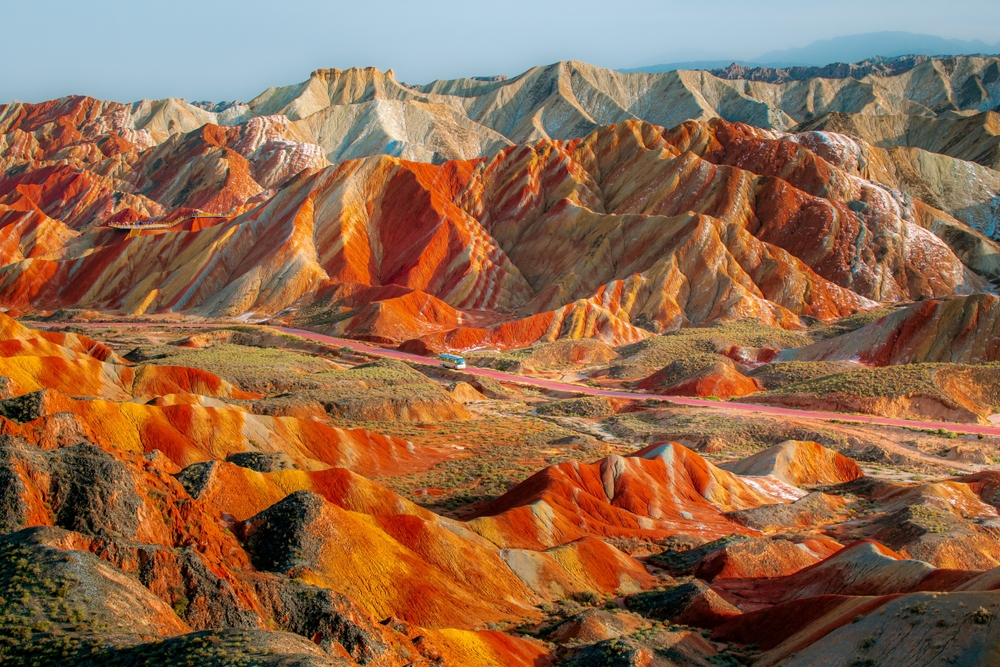
There are mountains — and then there are the “Rainbow Mountains” of Zhangye Danxia National Geopark. This UNESCO World Heritage site is one of the world’s most mesmerising natural jewels, boasting vividly colourful jagged peaks and dusty hills painted in distinct layers of gold, yellow, orange, red, grey, and sometimes even shades of blue, green or purple. It’s no wonder that visitors come to witness this extraordinary natural wonder of sandstone and minerals, delicately sculpted by rain, river, wind, and tectonic plate movement over millions of years.
Photo Opportunities
There are 4 spread-out viewing platforms from which to experience the vast beauty of the ‘Rainbow Mountains’, and you’ll need to take sightseeing buses from one observation deck to another. Each of the platforms offers a different perspective of the landscape, but most visitors agree that Platform 4, ‘Colourful Clouds Platform’, has the most stunning views of QiCai Shan (Seven-Colour Mountain).
What to Do in Zhanye Danxia National Ecopark
Hike: Most of the observation decks are easily accessible, however, there is an alternative option to hike up more than 600 steps (around 30 minutes) to the top of the hill at Platform 2 for an even more elevated vantage point.
Fly: Adventure enthusiasts will be happy to know that there are a few ways of experiencing the beauty of this natural wonder from the air, via hot air balloon, glider, or helicopter.
Best Time to Visit
The best time to visit Zhangye Danxia is in summer between June to September, when the weather is most comfortable. The rest of the year is too dry, and the temperatures in winter dip below freezing point — highly not recommended!
Summer rainfall is perfect for cooling the high temperatures, but more importantly to deepen the colours of the mountains. Don’t go on a cloudy or rainy day though — the mountains only show off their gorgeous colours in the sun. The perfect time to go is on a sunny day after it has rained the day before; the rain defines the colourful bands even more.
As with most landscape sightseeing and photography, sunrise (around 6am) and sunset (around 7-8pm) are the best hours to capture the soft glow of sunlight dancing across the mountain ridges.
Tips When Visiting Zhangye Danxia National Park
- No private cars or tourist buses are allowed, so you have to make use of the sightseeing buses.
- Wear comfortable shoes as you’ll need to walk at least 10 minutes to reach each viewing platform.
- Give yourself about 4 hours to view the park from different platforms.
- There is no shade anywhere in the national park, so make sure you are well-prepared with a hat, sunblock, and even a portable fan.
- Bring a face mask or scarf to protect against dusty winds.
- Make sure you bring water with you as there are no shops around.
- Avoid the highest temperatures between 12pm and 3pm.
- You can sign up with local guides for the most recommended routes. For English-speaking guides, look for students or teachers from the local universities who are offering personal tours.
- Zhangye’s significance extends beyond its geological marvels; it is deeply rooted in the rich tapestry of history as a pivotal stop on the Silk Road, so consider booking a Zhangye tour to further explore the area.
Nami Island, South Korea
Website: Naminara Republic
Getting There
Nami Island is a picturesque tourist destination located in the Gangwon Province of South Korea. To get there, fly from Singapore to Seoul, then hop on the ITX Train (1 hour) or direct shuttle bus (1.5 hours). Because it’s its own independent island nation (officially Naminara Republic), you’ll have to purchase a Nami Island passport. Finally, take a 5-minute ferry as the island is not accessible by land. (You can also zipline to the island if you prefer!)
What Nami Island is Best Known For
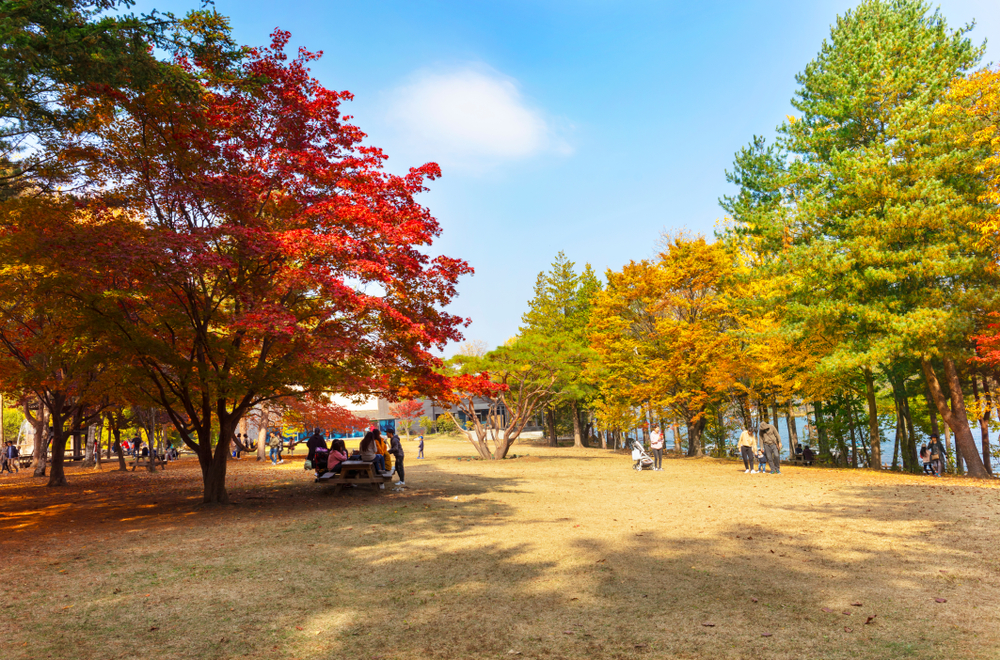
This half-moon-shaped island is situated in the middle of the Han River and is famous for its stunning natural landscapes. Though small, the island’s beautiful tree lanes, woodlands, and riverside walks offer picture-perfect scenery all year round. Not surprisingly, Namiseom is also famous for being the on-site location of many Korean romance dramas.
Photo Opportunities
Nami Island is a treasure trove of picturesque backdrops, but travellers agree that these 5 spots are a must-capture!
- Central Korean Pine Tree Lane
A serene pathway lined with majestic Korean pine trees, this lane is tranquil, peaceful, and full of ambience.
- Metasequoia Lane
One of the most iconic and photographed spots, the towering metasequoia trees form an immense and visually stunning corridor.
- Gingko Tree Lane
Especially gorgeous in autumn, tourists flock here to experience its stunning display of golden leaves that slowly fall, blanketing the walking paths
. - Gongsaengwon Garden
Most known as the ‘Winter Sonata’ garden and even has a bronze statue of the main characters from the drama series!
- Riverside Reed Paths
The flowing river and rustic wooden walkway against the backdrop of mountain peaks all create ample photo opportunities.
What to Do on Nami Island
Nami Island is perfect for leisurely strolls and relaxed bicycle rides, but there’s even more to do during the summer and winter months.
In summer, head to the Nami Water Park to cool off on their giant floating obstacle course or take a wild ride aboard a spinning inflatable. You can also sign up for the zipline, sunset pub cruise, or a barbeque under the stars.
In the winter, take advantage of the snowfall and low temperatures and enjoy ice skating, sledding and building snowmen!
Best Time to Visit
Nami Island is beautiful all year round, so there is no “best time” to visit! Here’s what you can expect during each of the seasons.
Spring (March-May): The island awakens with blooming spring flowers and cherry blossoms, especially during the first half of April. This season is soft, romantic, and dreamy.
Summer (June-August): Think lush, dense green canopies, vibrant greenery, and the Metasequoia trees creating dramatic archways at their fullest.
Autumn (September-November): Nami Island’s most famous season, the iconic tree-lined paths transform into nature’s art gallery of stunning fall foliage.
Winter (December-February): This is when the colours have all fallen away, and you get a magical winter wonderland backdrop of snow-covered pathways beneath frosted tree branches.
Tips When Visiting Nami Island
- Nami Island can get crowded especially between 10am to 2pm, so come early if you wish to avoid the crowds.
- Book all tickets in advance as they can sell out quickly on the day itself.
- If you’re planning to enter via zipline, do not wear a hat or carry any luggage with you
- Foreign visitors are eligible for tourist discounts on admission fees, so bring a copy of your passport along.
- Wear comfortable walking shoes as you’ll be experiencing the whole island on foot.
- Explore a tour package that bundles Nami Island with other nearby attractions to make the most of your day trip outside of Seoul.
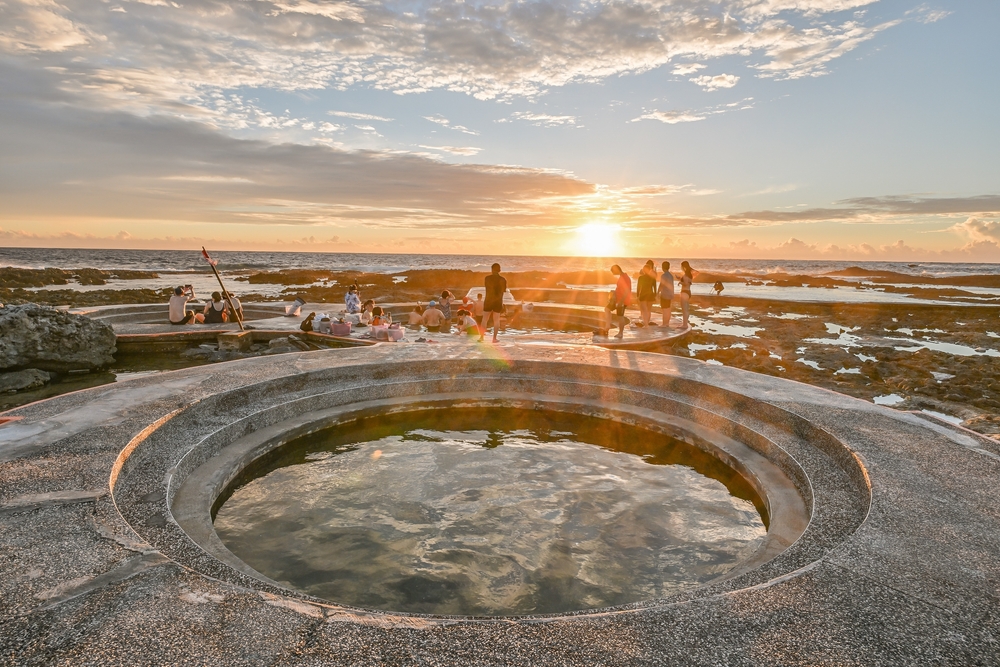

Zhaori Hot Springs, Taiwan
Website: Zhaori Hot Springs
Getting There
Zhaori Hot Springs is located on Green Island (Ludao, 綠島), just off the east coast of Taiwan, and a part of Taitung County. To get there, you can either fly into Ludao Airport on the island itself, or take a 50-minute ferry from Fugang Fishing Harbour. Though it’s not exactly a park, the long, unspoiled east coast here is a designated national scenic area.
What Zhaori Hot Springs is Best Known For
Well, it’s in the name! These hot springs stand out from the rest for being the only saltwater hot springs in Taiwan, and only one of three in the world; the other two being in Japan and Italy. The springs are fed by seawater and underground water heated by the volcanic lava of Green Island.
Benefits of Saltwater Hot Springs
- The increased buoyancy creates a more pronounced floating sensation and relaxed feeling of weightlessness.
- They reduce the pressure on joints — good for people with arthritis, or muscle or joint issues.
- The salt-based water has naturally antimicrobial properties, and can help to exfoliate dead skin cells and reduce inflammation.
Photo Opportunities
The highlight of Zhaori are the three large open-air hot springs pools located directly on the coastline itself. This rare setup allows for capturing beautiful ocean views while dipping in the mineral-rich waters.
Each circular pool serves as a mirror that reflects the dance of sunlight and clouds, and captures the tranquillity of wellness against a stunning natural backdrop where the unobstructed open ocean meets the endless expanse of the heavens.
What to Do at Zhaori Hot Springs
For the most beautiful moments, come extra early to experience the sun rising over the intertidal rocks and tide pools, or come in the evenings for the sunset, followed by stargazing at night. You can also sample some Taiwanese delicacies specially cooked in the hot thermal waters.
Green Island is praised as one of Taiwan’s most beautiful offshore islands, known for its abundant coral reefs, colourful marine life, and even shipwrecks — perfect for snorkelling or deep sea scuba diving. It’s also worth exploring its ancient hiking trails, ‘Little Great Wall’ cliff lookout, and fresh seafood restaurants.
>> Check out this short YouTube video for more about Green Island
Best Time to Visit
The best time to visit is from April to October — the weather is hot and sunny, so you can really soak up the island vibes. The water is also perfect for snorkelling and diving then. Always watch the weather forecast — typhoons can happen during the summer months of July to September, and the ferries get cancelled in bad weather. Although possible, it’s not really recommended to visit in the colder months.
Tips When Visiting Zhaori Hot Springs
- The easiest way to get around Green Island is by scooter — make sure you have your International Driving Permit specifically for motorcycles to rent one.
- Alternatively, you can also rent bicycles to get around the island, or take a taxi everywhere.
- Bring enough cash, because the shops and ATMs on the island do not accept international cards.
- Because a lot of visitors come here during the peak months, make sure you book everything in advance, especially ferry tickets and accommodation.\
- Bring a waterproof dry bag and phone case since you’ll be around water a lot.
If you can, bring your own swimming cap, or purchase one at the hot springs.
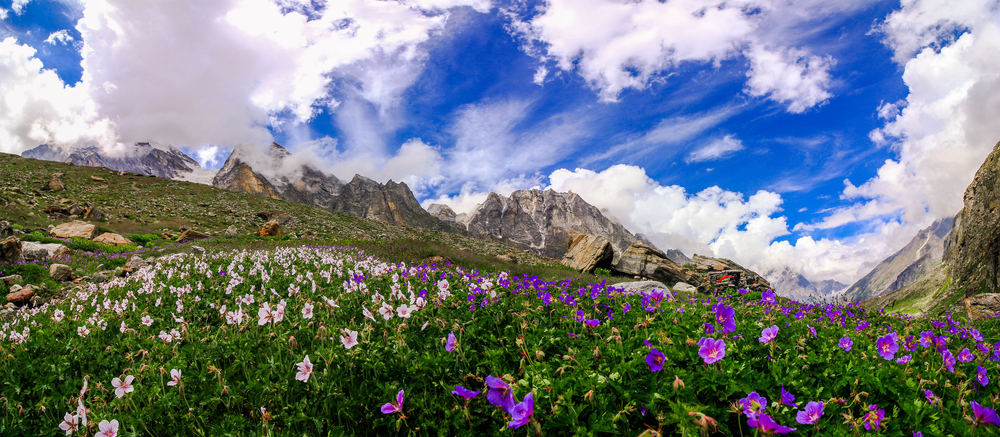
Valley of Flowers National Park, India
Website: Official Website of Valley of Flowers National Park
Getting There
The Valley of Flowers National Park is located along the Himalayan range of northernmost India, close to Tibet. Begin your journey by flying from Singapore to Delhi, and hire a car to Govindghat (about 500km). From there, get to Ghangaria base camp either by trekking (13km), riding a mule or pony, or via (a rather affordable) helicopter ride. The trek from Ghangaria to The Valley of Flowers can only be done on foot, an 8km round trek there and back.
What The Valley of Flowers is Best Known For
The Valley of Flowers is a UNESCO World Heritage Site, renowned for its stunning alpine flora, breathtaking landscapes, and rich biodiversity. It’s noted to support more than 600 species of flora, many of which are endemic, meaning you won’t find them growing like this anywhere else in the world. The area is also home to many rare and endangered animals, including the Himalayan Black Bear, Siberian Weasel, Snow Leopard, Red Giant Flying Squirrel, Himalayan Vulture, and Blue Sheep.
The Valley of Flowers trek is one of the most well-known treks in India that draws trekkers from around the world to come and celebrate this rich valley of wildflowers when they burst into bloom.
Photo Opportunities
The valley itself is already pure magic — nestled deep between majestic mountains, with the Pushpavati River flowing right through it, and hiking trails winding alongside the river that lead you to a stunning glacier view.
But of course, the abundance of wildflowers in their assortment of diverse colours takes centrestage for a brief window every year, beckoning both trekking and travel photography enthusiasts.
What to Do at The Valley of Flowers
The Valley of Flowers is of moderate difficulty, suitable for both first-time and seasoned trekkers. However, some of the climbs are pretty steep, and the trek does require good stamina and level of fitness.
Note: Access to the Valley of Flowers is restricted to between 7am and 5pm, and overnight stays are not allowed, so you’ll have to trek there (4km) and back to Ghangaria base camp (4km) within the same day.
The trek may ask a lot out of you, but it also rewards you generously with mountain streams, cascading waterfalls, naturally perfuming wildflowers, and the occasional glimpse of Himalayan wildlife.
The easiest would be to sign up with a trek package from a tour company, which will take care of all transportation, accommodation and food.
Best Time to Visit
The park is only open four months of the year — from June through to September — but the best time to visit is said to be mid-July to mid-August. This is when you’ll experience the greenery at its lushest and the mountain flowers in maximum bloom. If you’d rather trade the colourful blooms for some white, then go in early July while the trail is still snowy.
Tips When Visiting The Valley of Flowers
- Make sure you have the right travel insurance that covers medical evacuation if needed.
- Book tour packages early to secure your spot as the Valley of the Flowers trek is popular with trekkers globally.
- Make sure you submit your permit application and pay the appropriate fees in advance. (The tour company can help with this.)
- Pack warm as temperatures can dip from 10-18°C in the day to 3°C at night.
- Leave nothing and take nothing.
- Be prepared, there are no toilets in nature!


